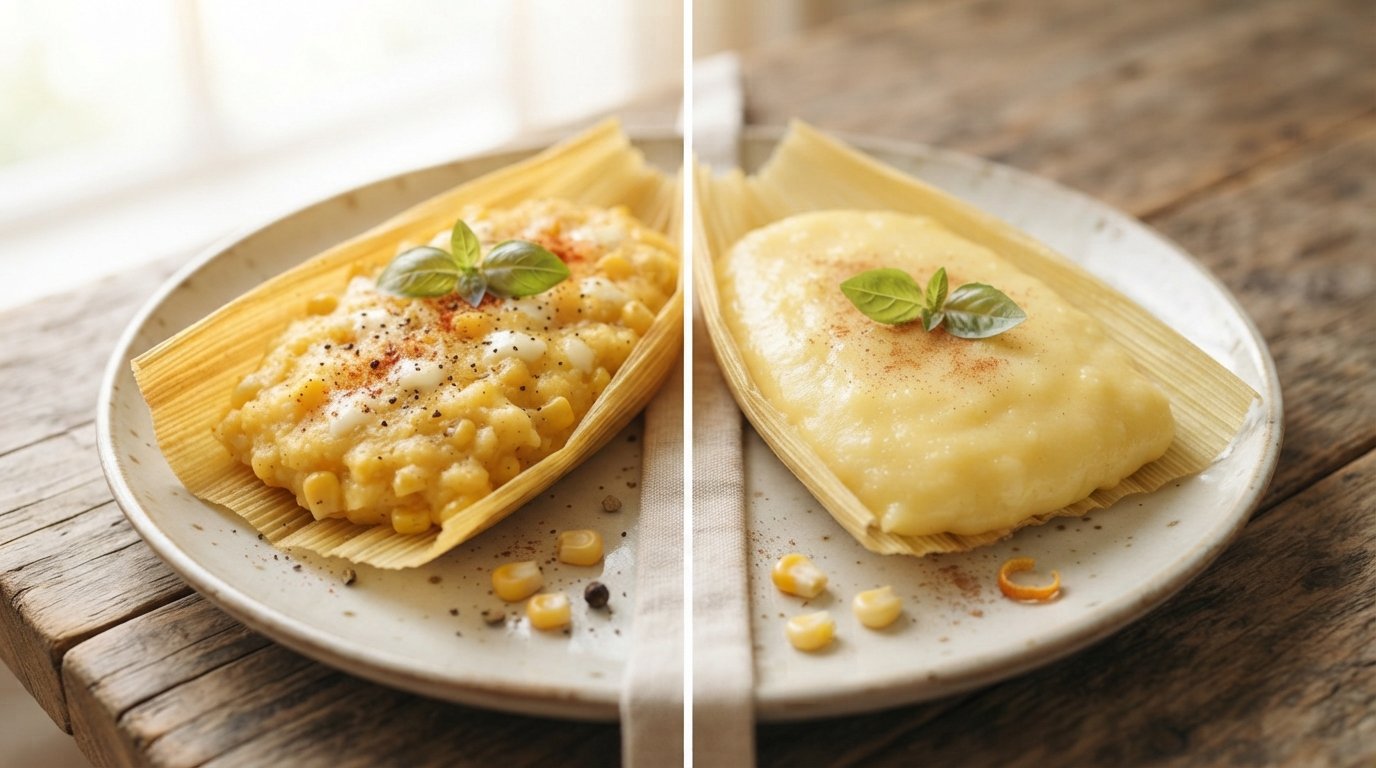
If you have ever bitten into a warm humita en chala, you already know why people go looking for it again and again. If you have not, get ready. This dish is one of South America’s oldest comfort foods, and it deserves a spot on your regular takeout rotation.
Searching for the best humita en chala near me can feel tricky if you do not know what to look for. Menus use different spellings, some places sell a watered down version, and not every “Latin restaurant” actually makes it fresh. This guide walks you through what real humita en chala tastes like, how it differs from tamales, what to check before you order, and how to track down a spot that does it right.
What Is Humita en Chala
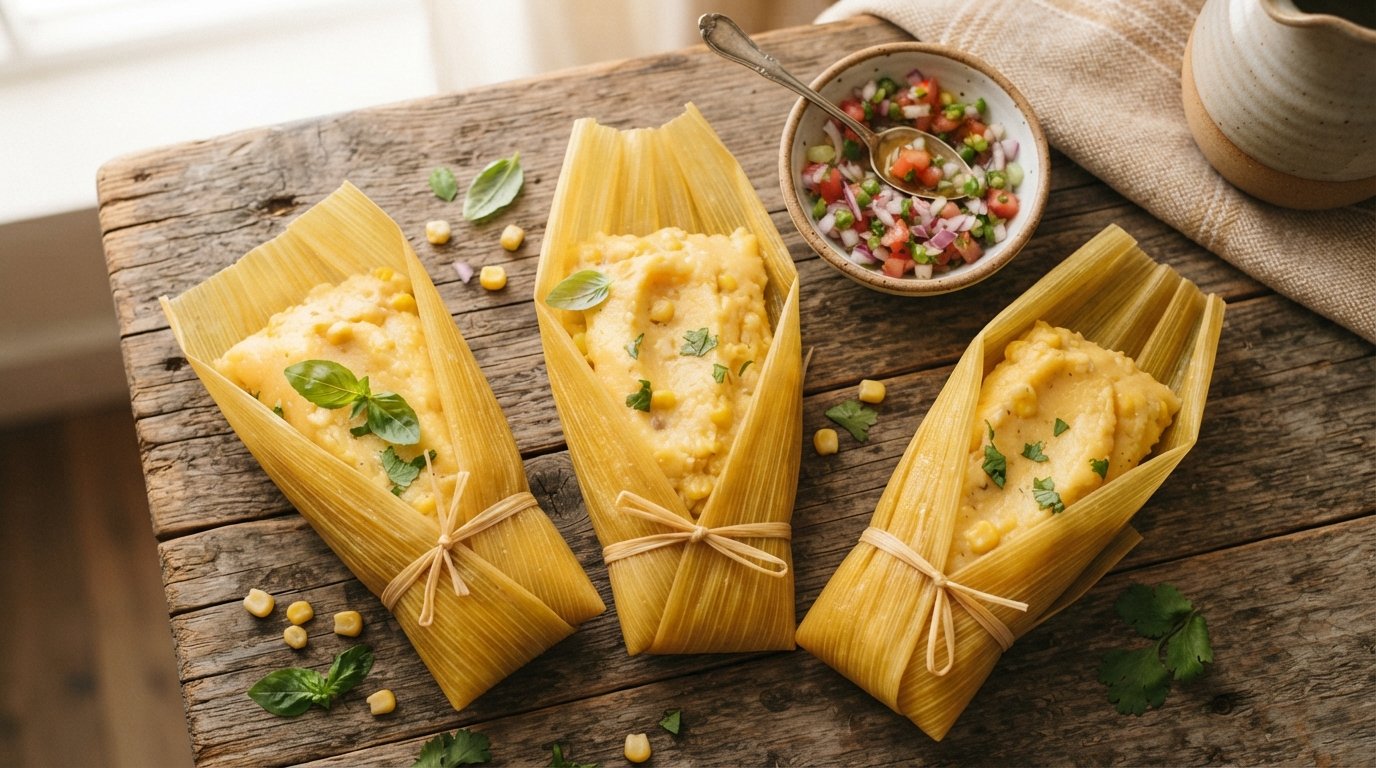
Humita en chala is a traditional South American dish made from fresh corn, known as choclo, that is ground into a soft paste and wrapped in the corn husk, called chala in Spanish. The bundle is then boiled or steamed until it firms up into a soft, fragrant parcel.
According to Wikipedia, humita dates back to pre-Hispanic times and is found across Peru, Bolivia, Chile, Ecuador, and northwest Argentina, with each region adding its own twist. In Argentina, cooks usually blend the grated corn with sautéed onion, red bell pepper, and often cheese, then wrap and cook it in the husk. In Bolivia, the dish goes by huminta and leans sweeter, sometimes baked instead of boiled. Peru swings both savory and sweet, adding raisins, cinnamon, or anise depending on the recipe.
The name itself explains the dish. Humita refers to the corn filling, and chala refers to the husk it is cooked inside.
Humita de Choclo Explained
You will sometimes see the dish listed as humita de choclo. This just emphasizes the main ingredient, fresh sweet corn, and is used interchangeably with humita en chala on many menus. If a restaurant lists humitas de choclo, it is describing the same style of dish, just naming the corn instead of the husk.
Humita en Chala vs Tamales
People often lump humitas in with Mexican tamales because both are wrapped in husks and steamed. The comparison stops there.
Tamales are made from masa, which is corn dough produced from dried, nixtamalized corn. Humitas are made from fresh corn kernels, grated or pureed straight off the cob. That difference changes everything about the final texture. A tamale is dense and bread like. A humita is soft, moist, and tastes strongly of fresh corn, almost like a savory pudding wrapped in a leaf.
If someone at the table asks for corn husk tamales but you serve them a proper humita, expect a pleasant surprise. It is lighter, sweeter, and less filling per bite.
Sweet Corn Humita vs Savory Humita
One of the biggest points of confusion for first time eaters is whether humita is a dessert or a main dish. The honest answer is that it depends on where the recipe comes from.
Argentine humitas usually land on the savory side, built around onion, pepper, and cheese, though a touch of sugar is common to balance the natural sweetness of the corn. Bolivian and some Peruvian versions push further into sweet corn humita territory, adding sugar, raisins, or cinnamon so the dish reads more like a dessert or a sweet snack.
When you are checking a menu, look for clues like queso, cheese, or picante, which point to a savory profile. Words like dulce, azucar, or canela suggest a sweeter version. A good restaurant will usually tell you which style they serve, since the two eating experiences are quite different.
[Image placement: insert here, after this section]
How to Find the Best Humita en Chala Near You
Finding humitas near me is not always as simple as typing the phrase into Google and picking the first result. Here is a more reliable approach.
Search With Specific Terms
General searches like Latin American restaurants near me or South American food near me will turn up a wide mix of cuisines, from Peruvian ceviche spots to Colombian bakeries. Narrow things down with terms like humita restaurant near me, authentic humita en chala, or traditional Argentine food to filter out places that do not actually make the dish.
Check the Menu Before You Go
Call ahead or check the online menu for humita specials, since many restaurants only offer humitas seasonally when fresh corn is in season, or on specific days of the week. This is common at family run Argentine and Bolivian kitchens that prepare the corn filling fresh rather than from frozen stock.
Read Recent Reviews Carefully
Look for reviews that specifically mention humitas, not just general comments about the restaurant. A place can be highly rated for empanadas or asado while serving mediocre or frozen humitas. Reviewers who mention the corn husk, the texture, or comparisons to homemade versions are usually a good sign the dish is made properly.
Ask About Fresh vs Frozen
Fresh humitas near me should mean corn that was grated that day, not a bag pulled from the freezer. It is completely reasonable to ask a restaurant whether their humitas are made fresh, since the texture and flavor drop noticeably once corn has been frozen and thawed.
Consider Argentine and Bolivian Bakeries
Some of the best humitas do not come from full service restaurants at all. Argentine and Bolivian bakeries, delis, and grocery stores often sell homemade humitas by the piece, either steamed to order or ready to reheat. These spots frequently beat sit down restaurants on both price and authenticity.
What Makes an Authentic Humita en Chala
Not every dish labeled “humita” delivers the real experience. Here is what separates authentic humitas from a rushed imitation.
Fresh corn base. The filling should taste distinctly of sweet corn, not cornmeal or masa. If it tastes gritty or dry, dried corn flour was likely used instead of fresh kernels.
Proper husk wrapping. The corn husk should hold its shape as a sealed packet, not a loose or torn wrapper. A tightly tied husk keeps moisture locked in during cooking.
Balanced seasoning. Onion, pepper, and a touch of cheese should come through without overpowering the corn itself. The corn is the star, not the supporting ingredients.
Soft, moist texture. A well made humita should be tender enough to eat with a spoon straight from the husk, never dry or crumbly.
Regional accuracy. A restaurant advertising Bolivian humitas should taste noticeably different from one serving Argentine humita, since the two traditions use different ratios of sugar, cheese, and spice.
Tips for Ordering Humita en Chala
- Order it as an appetizer if you are unsure about portion size, since one piece is often filling.
- Ask if humita takeout near me or humita delivery near me is available, since the husk actually helps the dish travel well and stay warm.
- Pair it with a simple salad or grilled meat if you want it as part of a full humita lunch near me order, since the dish itself is fairly rich.
- If you loved a sweet version somewhere, do not assume every restaurant makes it the same way. Confirm the style before ordering again elsewhere.
- Try both a savory and a sweet corn humita on separate visits to figure out which style you genuinely prefer.
Common Mistakes People Make When Ordering Humitas
Assuming every Latin restaurant serves it. Humita en chala is specific to Andean and Argentine cooking traditions. Many Latin American restaurants that focus on Mexican, Cuban, or Caribbean food do not carry it at all.
Confusing it with tamales on the menu. Because both dishes are wrapped in husks, some diners order tamales expecting the lighter, corn forward taste of a humita, then feel let down by the denser masa texture.
Skipping the seasonal check. Fresh corn has a season, and restaurants that care about quality often pause humita offerings when good corn is not available. Calling ahead avoids a wasted trip.
Judging based on frozen versions. A disappointing experience with a mass produced or frozen humita should not be mistaken for what the real, fresh dish tastes like.
Not asking about spice level. Some savory humitas include a noticeable kick from pepper or chili, which can catch first timers off guard if they were expecting something closer to sweet corn.
Frequently Asked Questions
Final Thoughts
The best humita en chala near me is not just another item on a Latin American menu. It is a dish with roots stretching back to pre-Columbian Andean cooking, carried forward through generations of Argentine, Bolivian, and Peruvian kitchens. Finding a good one near you takes a little more effort than a quick search, but the payoff is worth it once you taste corn cooked the traditional way.
Use specific search terms, check for fresh corn and proper husk wrapping, and do not be afraid to ask a restaurant how they make theirs. Once you find a spot that gets it right, you will understand why this humble corn dish has survived for centuries.
Source referenced: https://en.wikipedia.org/wiki/Humita