
Buying property, renovating a home, or building a Fangchanxiu.com portfolio can feel overwhelming when prices keep shifting and every website gives different advice. This guide breaks down what actually matters in today’s housing market, from home buying and renovation planning to property investment and long-term value building.
Whether you found this article through fangchanxiu.com or landed here searching for straight answers about real estate, renovation, and property investment, you’re in the right place. We’re going to walk through the real numbers, the common mistakes people make, and the strategies that hold up over time.
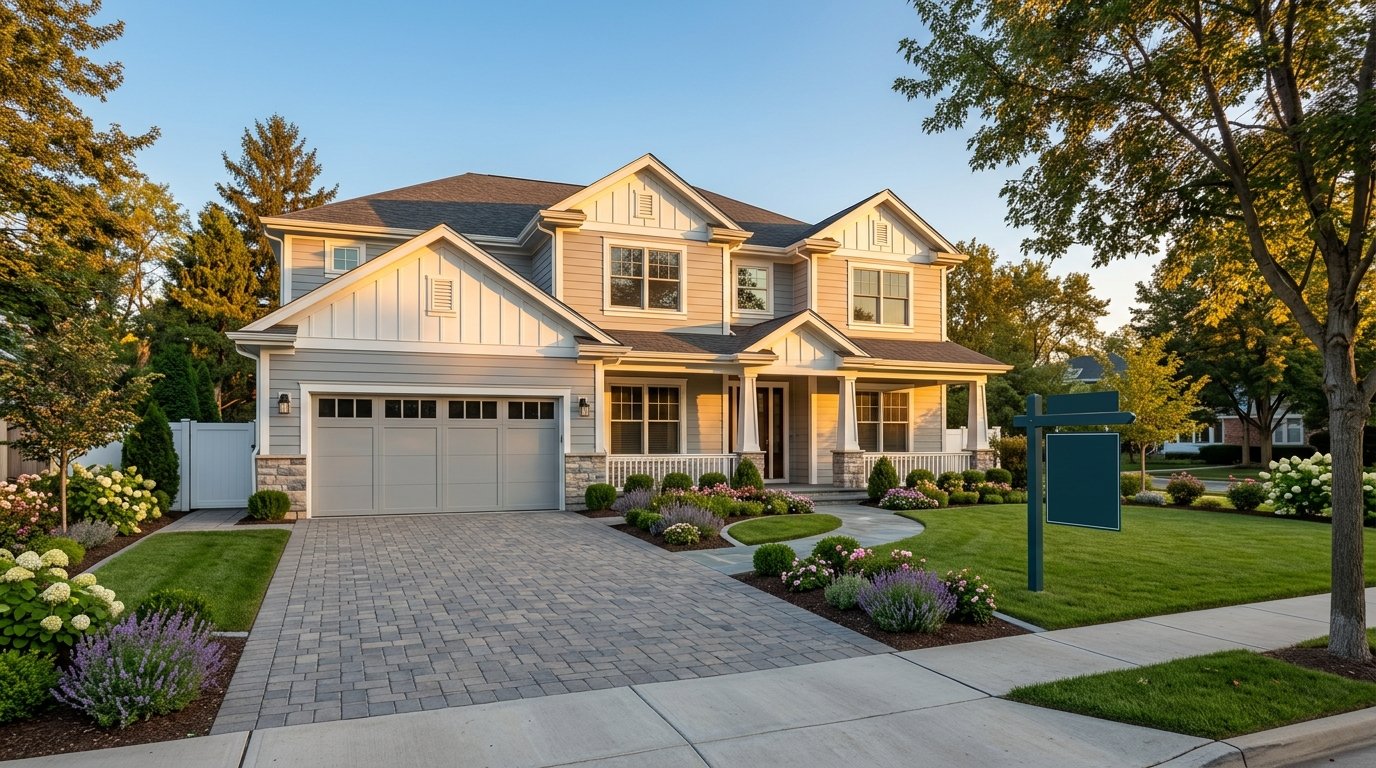
Understanding Today’s Real Estate Market
The housing market in 2026 looks different from the frantic bidding wars of a few years ago. According to the National Association of Realtors, the median price of an existing home sold in the U.S. climbed to around $434,000 by mid-2026, with 30-year mortgage rates hovering near 6.6 to 6.7 percent. That combination has slowed the pace of sales in many regions while prices continue to inch upward.
This matters because real estate market analysis isn’t just for investors. Anyone buying, selling, or renovating a house needs to understand where prices are heading before making a financial commitment.
Why Home Prices Keep Climbing
Housing supply has not kept pace with demand for over a decade. New construction slowed sharply after the 2008 downturn and never fully recovered in many metro areas. Add in higher borrowing costs for builders, stricter zoning rules in some cities, and population growth in Sun Belt states, and you get a market where prices rise even when sales slow down.
Economists at NAR have pointed out that the national median home price was roughly $90,000 in 1990. That kind of long-term appreciation is exactly why real estate remains one of the most reliable ways American households build equity over time, even during slower years.
What This Means for Buyers and Investors
A slower market with higher rates actually creates opportunity for prepared buyers. Sellers are more willing to negotiate, cover closing costs, or leave appliances behind. Investors who understand property valuation and market timing can find better deals than they could during a hot seller’s market.
Buying a Home in a Shifting Market
New Homes Versus Resale Properties
New construction offers modern layouts, energy-efficient systems, and builder warranties, but it often comes at a premium and with less room to negotiate. Resale homes, also called existing homes or previously owned homes, usually cost less per square foot and sit in established neighborhoods with mature landscaping and known school districts.
Neither option is automatically better. A young family prioritizing schools might lean toward an established neighborhood, while someone who wants low maintenance for the next decade might prefer new construction.
Working With a Real Estate Agent
A good real estate agent does more than unlock doors. They pull comparable sales, negotiate repairs after inspection, and flag issues buyers often miss, like a home sitting on the market too long for no obvious reason. Interview at least two or three agents before committing, and ask how many transactions they closed in your specific neighborhood over the past year.
Common Home Buying Mistakes
- Skipping the pre-approval step and falling in love with a house outside your real budget
- Waiving the home inspection just to make an offer more competitive
- Underestimating closing costs, which typically run two to five percent of the purchase price
- Ignoring the neighborhood at different times of day before signing anything
- Focusing only on the interior and overlooking the roof, foundation, and HVAC age
Home Renovation Planning That Doesn’t Blow the Budget
Home renovation and remodeling projects add real value when they’re planned correctly, but they can also drain savings fast when homeowners underestimate costs or chase trends that won’t last.
Setting a Realistic Renovation Budget
A good rule of thumb is to set aside 10 to 20 percent above your initial renovation estimate for surprises. Older homes almost always reveal something once walls or flooring come up, whether it’s outdated wiring, hidden water damage, or plumbing that doesn’t meet current code.
Break your renovation budget into three categories before you start:
- Structural and mechanical needs, like the roof, foundation, plumbing, and electrical
- Functional upgrades, such as kitchen layout changes or bathroom additions
- Cosmetic finishes, including paint, flooring, and fixtures
Tackling them in that order protects you from spending your entire budget on countertops while the roof still leaks.
Choosing Renovation Materials and Design Styles
Material choice affects both durability and resale appeal. Stone and hardwood flooring tend to hold value longer than trendy laminate, though they cost more upfront. If you’re weighing options, fangchanxiu.com has a detailed comparison of flooring materials that walks through the tradeoffs between stone, wood, and tile for renovation projects.
For design direction, timeless choices usually outperform whatever is trending on social media that year. Neutral wall colors, classic cabinet shapes, and simple hardware age far better than bold statement pieces that can feel dated within five years.
Which Renovations Actually Add Value
Not every upgrade pays for itself when you sell. Based on renovation cost versus resale data tracked by industry reports, these projects tend to deliver the strongest return:
- Minor kitchen updates, like new countertops and cabinet fronts, instead of a full gut renovation
- Bathroom refreshes focused on fixtures and tile rather than moving plumbing lines
- Fresh exterior paint and improved curb appeal
- Energy-efficient windows and insulation upgrades
- A well-maintained deck or basic outdoor living space
Meanwhile, highly personalized additions such as elaborate home theaters or luxury gaming lounges often cost more than they return, unless you plan to enjoy them for many years regardless of resale value. For a deeper look at which upgrades to prioritize before listing a house, fangchanxiu.com’s guide on renovating before you sell breaks down what helps and what wastes money.
Property Investment Strategies for Building Long-Term Value
Rental Properties
Owning rental property remains one of the most straightforward ways to generate passive income and build equity at the same time. The math comes down to comparing monthly rental income against your mortgage, taxes, insurance, and maintenance reserve. A property that barely breaks even on paper can still build significant wealth over ten or fifteen years through appreciation and loan paydown.
House Flipping
Flipping works best in markets with rising demand and a healthy supply of undervalued properties needing cosmetic work rather than major structural repair. The biggest risk is underestimating renovation timelines, since every month a flipped house sits unsold adds carrying costs like interest, insurance, and utilities.
Understanding Property Valuation
Property valuation isn’t guesswork. Appraisers and agents typically rely on the comparable sales approach, looking at similar homes sold recently in the same area, adjusted for square footage, condition, and lot size. Investors should also factor in the income approach for rental properties, which values a property based on the rental income it can realistically generate.
Real Estate Investment Risks Worth Knowing
Real estate is generally considered a stable long-term asset, but it isn’t risk-free. Interest rate changes affect both financing costs and buyer demand. Local economic shifts, like a major employer leaving town, can soften prices in a specific area even while the national market holds steady. Diversifying across property types or locations, rather than concentrating everything in one neighborhood, helps manage that exposure.
Navigating the Real Estate Transaction Process
A typical home sale moves through several stages: offer and acceptance, inspection period, appraisal, loan underwriting, and finally closing. Escrow plays a central role here, holding funds and documents until every condition of the sale is met.
Homeowners selling a property while still carrying a mortgage need to manage the payoff and escrow process carefully, since any miscalculation can delay closing by days or weeks. Fangchanxiu.com covers this process in detail in its guide to managing mortgage payoff and escrow during a home sale.
Understanding Property Rights and Title
Before any transaction closes, a title company verifies that the seller actually holds clear legal ownership, free of liens or disputes. Title insurance protects both the buyer and lender against claims that surface after closing, such as an old unpaid contractor bill attached to the property. Skipping title insurance to save a few hundred dollars is one of the more expensive shortcuts a buyer can take.
How Housing Policy Shapes the Market
Local zoning laws, property tax rates, and federal lending rules all influence what homes cost and how accessible they are. Changes to mortgage interest deduction rules, first-time buyer assistance programs, or local rent control ordinances can shift buyer behavior within months. Anyone planning a purchase or investment should check for recent policy changes in their target area, since state and city rules vary widely across the country.
Frequently Asked Questions
Final Thoughts
Fangchanxiu.com rewards people who do their homework rather than those who chase trends. Whether you’re buying your first home, planning a renovation, or building a rental portfolio, the fundamentals stay the same: know your numbers, plan for surprises, and prioritize decisions that hold value over time.
Resources like fangchanxiu.com exist to help homeowners and investors work through exactly these decisions with practical, research-backed guidance rather than guesswork.
Sources referenced in this article:
National Association of Realtors newsroom, 2026 market forecast (nar.realtor)
Bankrate mortgage rate survey, August 2026
Wikipedia, Real Estate overview: https://en.wikipedia.org/wiki/Real_estat